
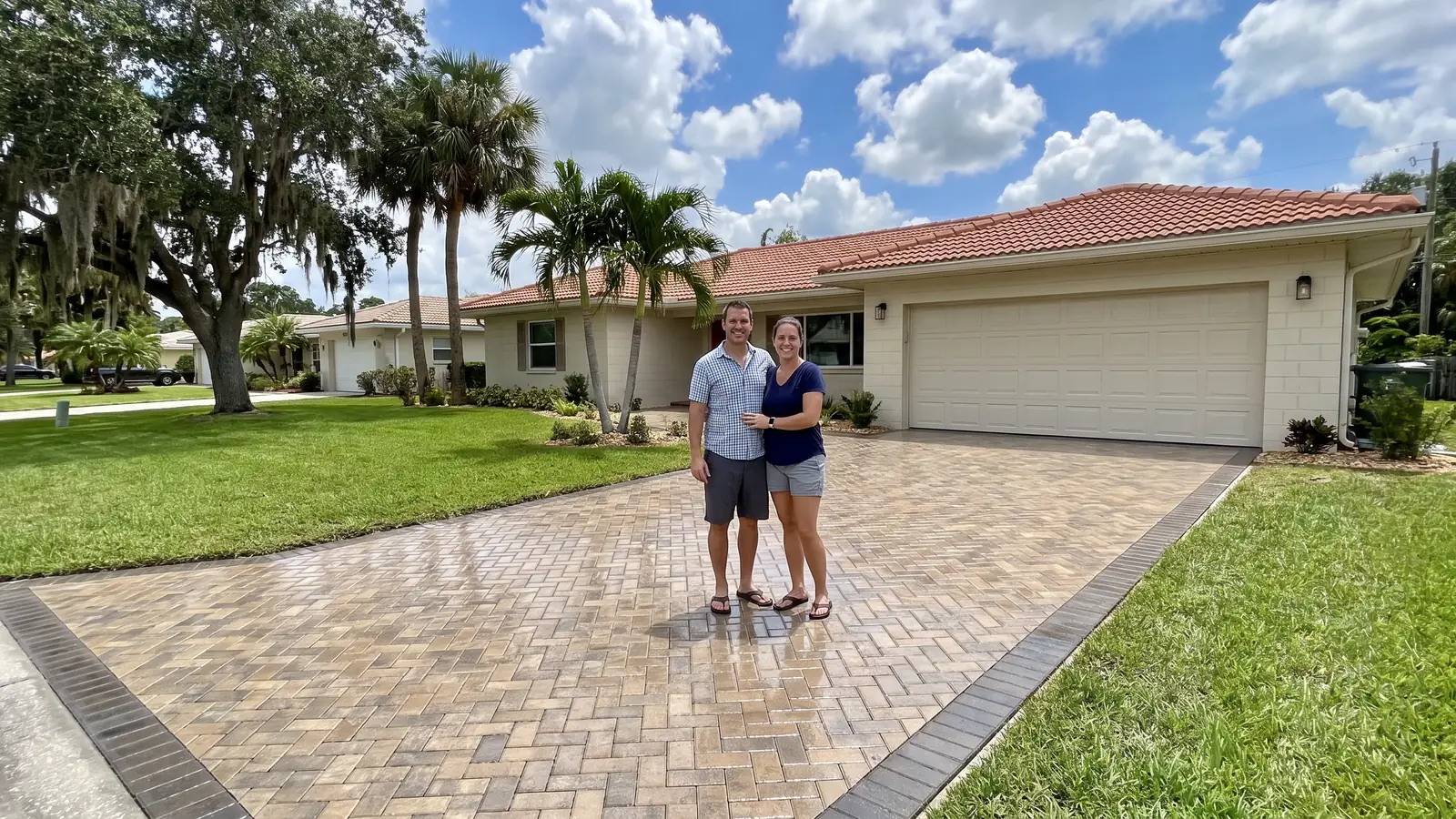
Deeper color, tighter joints, easier rinsing
Paver Sealing in Melbourne, FL
Call (321) 534-5093 for a free estimate and bring your Melbourne pavers back to a deep, even color.
- Brings out deeper paver color
- Fresh joint sand helps lock pavers in place
- Gives weeds less room to grow
- Makes the surface easier to keep clean
- Free estimate, no obligation
Request a Free Estimate
Free, no obligation.
Who seals pavers in Melbourne, and how soon can they come?
A local contractor seals pavers throughout Melbourne, FL, and you will hear back within 1 business day, usually much sooner. The estimate is free, and whether to book is your decision. Start by calling (321) 534-5093.
Sealing deepens paver color, holds joint sand in place and lets sun, rain and green film rinse off more easily. Imagine the driveway you turn into after a long summer, pale along the edges and gritty at the seams, then dark and even again with every joint full. Tires and oil punish a driveway while splash and bare feet wear a pool deck, so each area gets its own plan. Describe how you use each one as you ask for a free estimate.
Paver Sealing Melbourne FL Is Proud to Serve the Space Coast
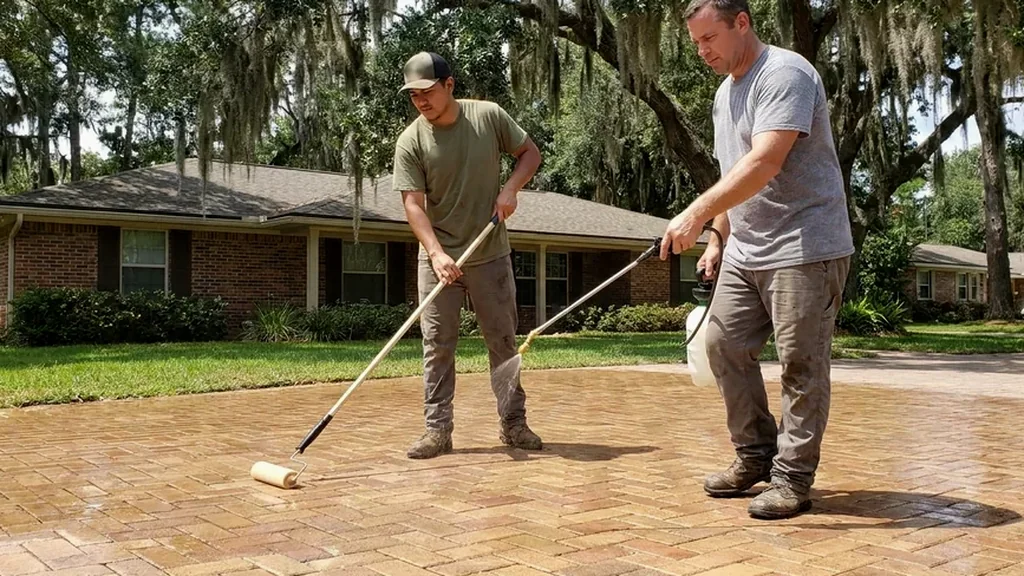
What does a paver sealing job in Melbourne include?
The job has four parts: inspection, deep clean, new joint sand and a sealer coat. Cleaning eats the most time. Want them explained for your house? Call (321) 534-5093.
Inspection
The contractor notes sunken pavers, old sealer, stains and standing water before setting a price.
Deep clean
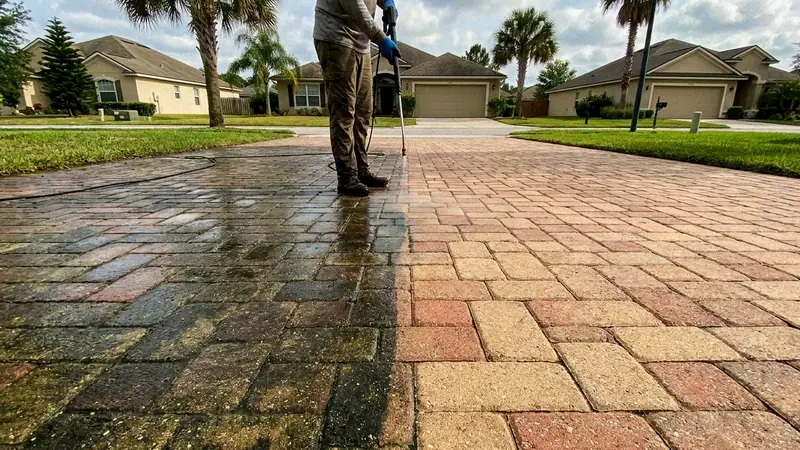
Pre-treatment, a wash and a rinse lift dirt and green film. A Melbourne paver company adds an efflorescence treatment and a second rinse.
Joint sand
Sand fills each gap so pavers lock together and weeds have less room.
Sealer coat
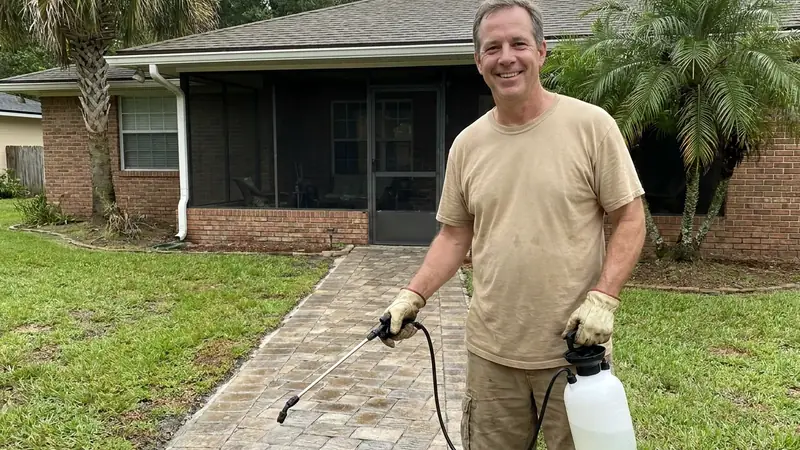
Sealer goes on fully dry pavers in thin passes at the rate on the product label.
How can I tell my Melbourne pavers need sealing?
Chalky color, joints that sit below the paver edges, sand strewn across the driveway after a storm and water that soaks in rather than beading are all cues. Weeds in the joints count too. A Melbourne paver company names fading color and weed growth as the signs to reseal. For a second opinion, call (321) 534-5093.
Which sealer type should I ask about?
Ask the contractor to name the product, say whether it is water-based or solvent-based and explain why it suits your pavers. Western Interlock, a paver supplier, notes that water-based sealer can be sprayed with a plastic sprayer, while solvent-based sealer can melt one and calls for a metal sprayer. So the two products behave differently on the job. To weigh your options, call (321) 534-5093.
Also ask whether the product forms a film on top or soaks in, and what it does to color. If the quote only says sealer, ask for the label before the work starts. Put those questions to a contractor as you ask for a free estimate.
Wet look or matte: which suits my home?
Wet look gives deep, rich color with some shine, while matte stays near the original appearance. By a screened pool, footing counts for more than shine, so ask about a grip additive. Groundworks, a Brevard paver company, treats both finishes and a pool deck grip additive as price factors. To look at samples of each, ask for a free estimate.
How often should Melbourne pavers be resealed?
A Melbourne paver company says every two to three years, and sooner near the beach or in strong sun. Summer sun averages a high near 90 degrees at the airport, and salt air near the barrier island adds wear. Shaded walkways may last longer. Call (321) 534-5093 to have your coat inspected.
Can I seal brand new pavers right away?
Not yet, whatever the myth says. Unilock, a paver maker, says to let efflorescence finish first, because sealing over that white haze traps it under the coat and the only fix is stripping the sealer. One brick and paver maker puts the wait at two to three months, and up to a year in some cases. Give the contractor your install date as you ask for a free estimate.
What is the right day to seal in Melbourne?
The forecast matters more than the calendar. Unilock says pavers can be dry in a few hours in warm sun, or take about a day in cool shade, and it asks for up to 48 hours of dry weather afterward with the sprinklers off. Its target is 50 to 90 degrees. Melbourne gets rain on about 119 days a year, so a flexible date helps. Call (321) 534-5093 to pick a window.
Mornings are cooler, and pavers that are too hot can stain or peel early. A careful contractor warns you early when a storm shifts the date. To get on the calendar, ask for a free estimate.
Will sealing fix sunken or loose pavers?
No. A coat of sealer will not raise a low paver or narrow a gap. A paver that rocks under a tire or holds a puddle needs its base repaired first, and joint sand only stays once everything is level. Find out whether leveling is included or priced separately when you ask for a free estimate.
Which paved areas can be sealed at a Melbourne home?
Any driveway, pool deck, patio or walkway can be sealed. Each wears in its own way, so the plan changes with the surface. Begin with the spot you care about most: ask for a free estimate.
Driveways
Tires, oil and the longest sun hours all land on the driveway. Sealing keeps color even and joints packed beneath a parked car.
Pool decks and lanais
Splash water, pool chemicals and bare feet wear a deck in their own way. Sealing here should leave a surface that drains and stays grippy.
Patios
Patios by a canal or under live oaks stay damp, so green film starts early. Sealing focuses on those shaded corners.
Walkways and entries
Front walks sit close to mulch, soil and sprinkler heads. Sealing at the entry is small, and every visitor sees it.
What wears on pavers around Melbourne?
Five problems show up often: salt air, sun fading, sand loss in heavy rain, rust and green film, and cloudy old sealer. Catching each early costs less. Which ones do your pavers have? Call (321) 534-5093 to find out.
1. Salt air near the beach
A Melbourne paver company says salt air and coastal weather speed up paver wear. Homes on the barrier island or close to the causeways feel it most.
2. Sun fading in summer
The July average high at the airport is 89.7 degrees. Unsealed color goes chalky on open driveways first.
3. Sand lost to heavy rain
The airport sees rain on about 119 days a year. Joint sand washes out, pavers loosen and weeds move in.
4. Rust and green film
Groundworks, a Brevard paver company, lists rust from well water and mold or algae in shade as common problems. Both need their own treatment before any coat.
5. Old sealer gone cloudy
The same company says cloudy old sealer has to be stripped before new sealer goes on. Sealing over a failing coat hides the problem only briefly.
What does paver sealing cost in Melbourne?
Space Coast companies publish about $1.85 to $4.00 per square foot to clean, sand and seal, and a Melbourne paver company uses that same range. Condition, square footage and sealer type move the number. Heavy staining, sunken sections and failed old sealer take more labor. For a number written for your home, ask for a free estimate.
Small jobs can run into a minimum. Groundworks, a Brevard paver company, says published minimum charges in Florida run from $300 to $1,850, with a median near $795. Its guide also says an estimate should list the measured square footage, how the surface is cleaned, whether old sealer is stripped, joint sand, sealer type and finish. Holding a quote already? Call (321) 534-5093 and compare.
Only want a wash? Paver cleaning and joint sand covers it, the places covered lists every town, and Melbourne paver sealing is the main page.
| Paved area | Typical example | Clean, sand and seal |
|---|---|---|
| 300 sq ft | Small patio or walkway | $555 to $1,200 |
| 600 sq ft | Two car driveway | $1,110 to $2,400 |
| 1,000 sq ft | Large driveway or pool deck | $1,850 to $4,000 |
| 1,500 sq ft | Driveway plus pool deck | $2,775 to $6,000 |
Math based on the $1.85 to $4.00 per square foot that Space Coast paver companies publish. Your contractor sets the actual price after seeing the surface. Repairs, leveling and stripping failed sealer are usually extra.
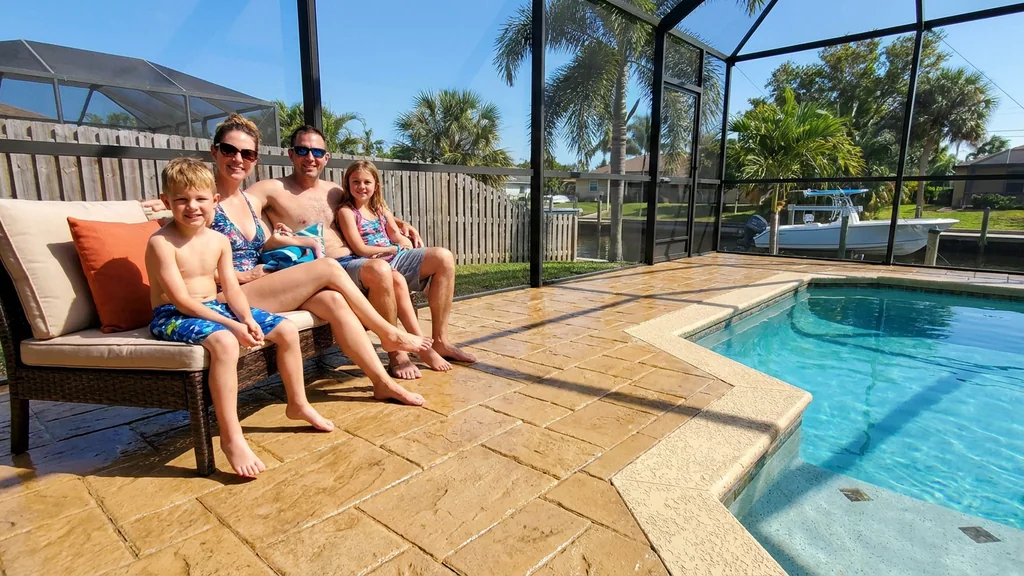
Why hire a local contractor to seal pavers?
A contractor based near Melbourne already plans for salt air, summer sun and rain delays. The price still comes in writing, and the choice stays yours. Start with a call to (321) 534-5093.
A contractor who works the Space Coast
Crews that cover Melbourne already allow for salt air, summer rain and the damp near the lagoon, so the first visit starts with what matters here.
No cost to hear a price
The look and the estimate cost nothing. If the number is not right, thank the contractor and move on.
Published ranges to check against
Companies on the Space Coast post what they charge by the square foot, and this site shows $1.85 to $4.00. A quote far outside that band is worth a question.
You set the pace
Ask for a written price and take as long as you like. Before you sign, read what to confirm with a contractor.
Ready for a free paver sealing estimate in Melbourne?
Call or use the short form, and expect to hear back in 1 business day at most, usually far sooner.
Free, no obligation
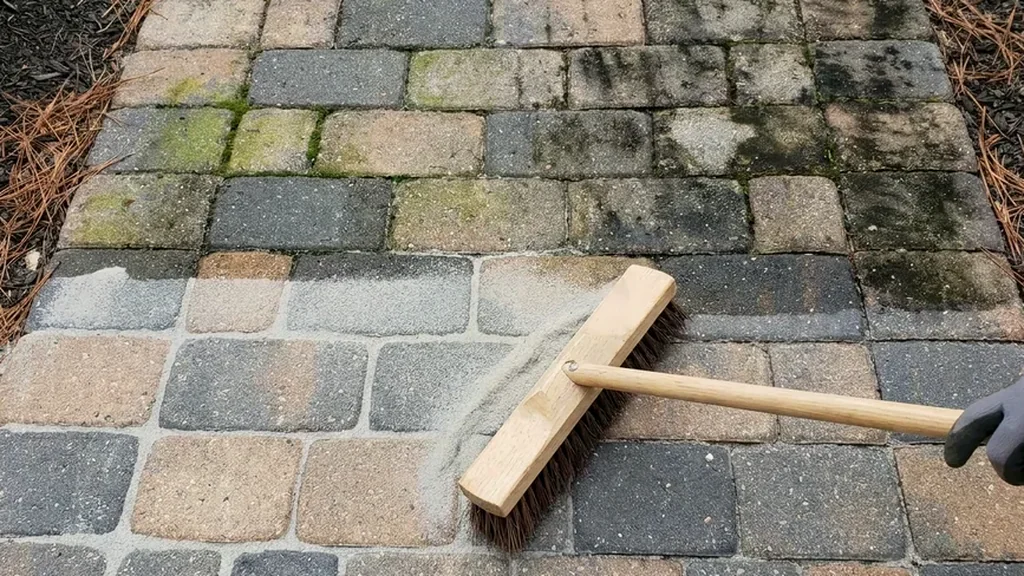
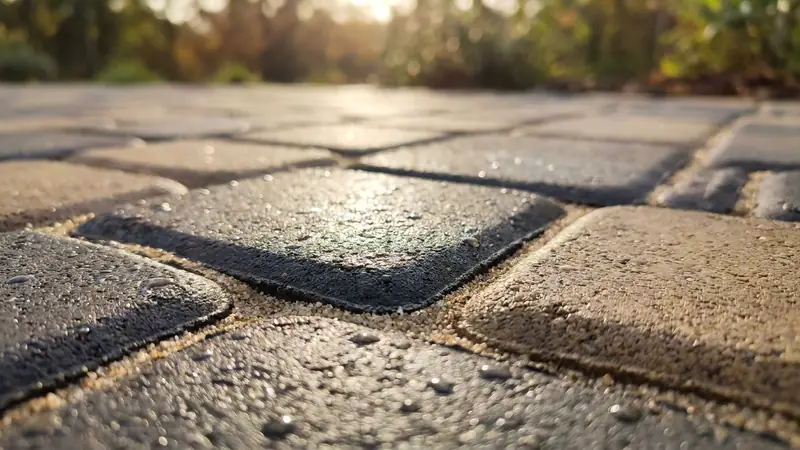
How do pavers look after sealing in Melbourne?
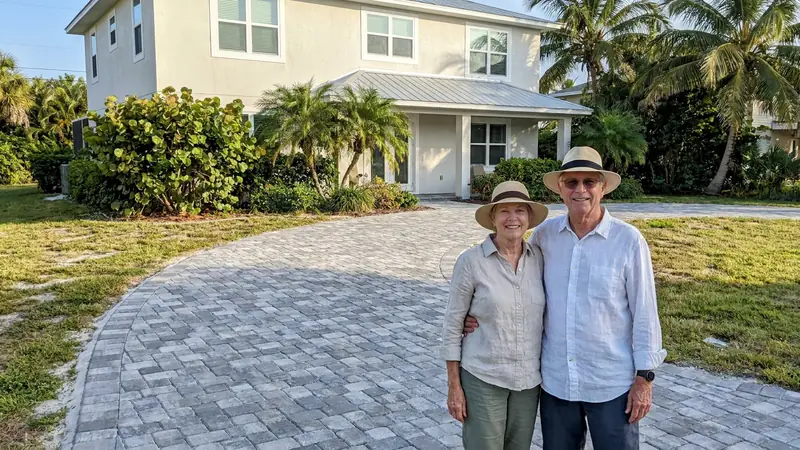
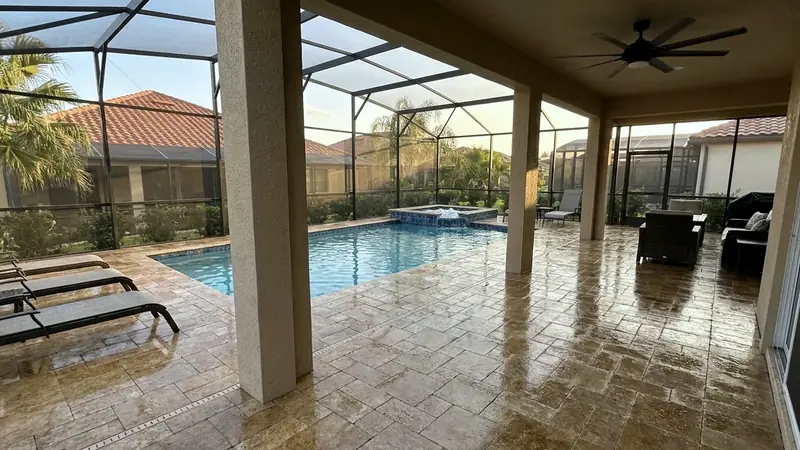
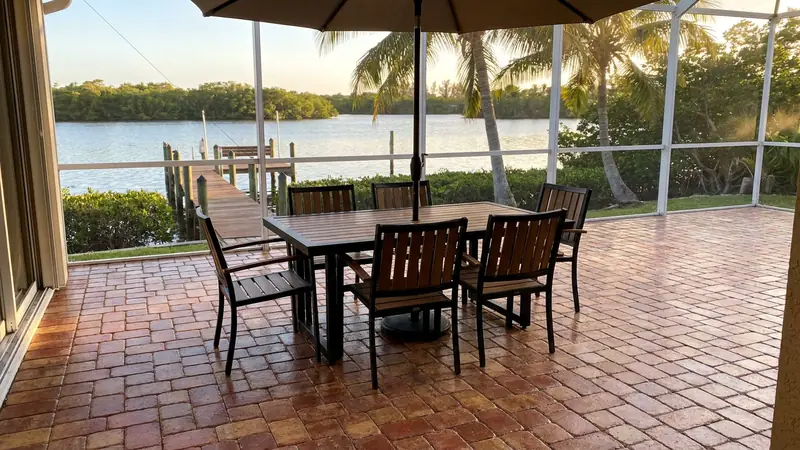
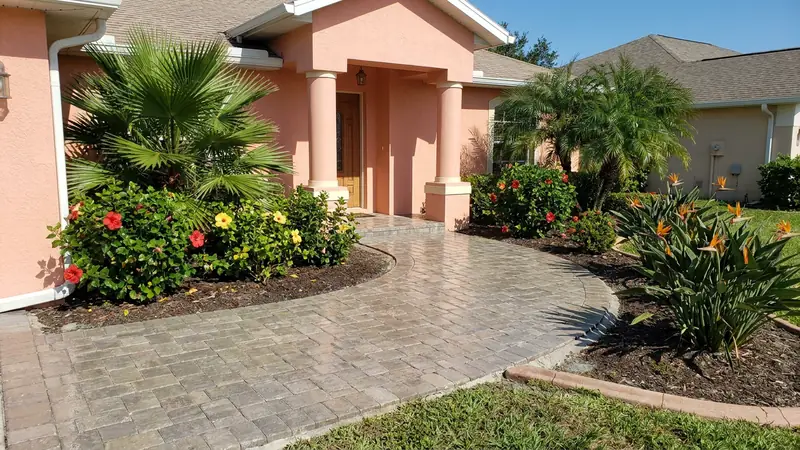
How does the paver sealing process work in Melbourne?
A typical job runs five steps, from first measurements to a last walk-around. A Melbourne paver company lists seven, so some contractors split steps in two. Call (321) 534-5093 to book yours.
1. Measure and inspect
The contractor measures the area for the sealing price and notes sunken pavers, old sealer, stains and any spot where water sits.
2. Pre-treat and wash
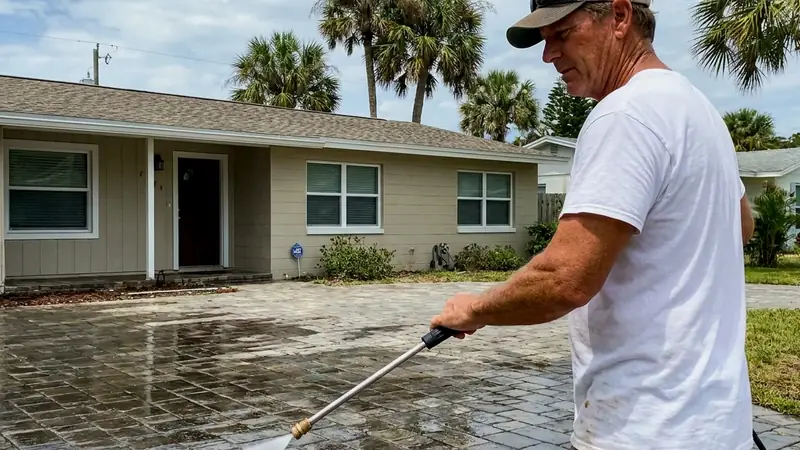
Cleaning solution goes on first, then the surface is washed and rinsed. Plants, screens and storm drains get protected.
3. Treat what is left
Rust and efflorescence get their own treatment. A Melbourne paver company lists an efflorescence treatment and a second rinse before sanding.
4. Refill the joints
When the surface has dried, sand is swept into every joint and the surplus is cleared.
5. Seal and walk it
When sealer is part of the job, it goes on in thin coats. Last, the contractor goes over the finished area with you and says when feet and cars can return.
Frequently Asked Questions
How much does it cost to seal pavers in Florida?
Space Coast companies publish about $1.85 to $4.00 per square foot to clean, sand and seal. A 1,000 square foot pool deck lands near $1,850 to $4,000. Groundworks, a Brevard company, adds that published minimum charges in Florida run from $300 to $1,850.
How often should you reseal pavers in Florida?
A Melbourne paver company says every two to three years, and sooner near the beach or in strong sun. Shaded walks can go longer. If water soaks in instead of beading, the coat is wearing thin.
Is it better to spray or roll paver sealer?
Either works, and many crews use both. Western Interlock, a paver supplier, says water-based sealer can go on with a sprayer, while solvent-based sealer can dissolve plastic sprayer parts and needs a metal one. Ask the contractor what they use.
Which sealer is right for pavers in Florida?
No single product wins for every home. Ask which sealer the contractor plans to use, whether it is water-based or solvent-based and which finish it gives. Then ask why it suits your sun, shade and salt exposure.
What are the downsides of sealing pavers?
The main downside is repeating it every few years. A wet look finish can feel slick around a pool without a grip additive, and a coat put down over damp pavers can turn cloudy. A dry day and the right product avoid most of that.
Can I seal my pavers myself?
Yes. Western Interlock says a do-it-yourself job can cost under about $350, while a professional on a big area can run up to about $3,000. The risk is rushing the prep, since sealer locks in whatever is on the surface.
Do patio pavers need to be sealed?
Not by law or code, but a patio beside a lagoon or under oaks stays damp and picks up green film. A coat keeps color from chalking and makes rinsing easier.
Can pavers near the Atlantic in Melbourne be sealed?
Yes. A Melbourne paver company says salt air and coastal weather speed up wear, so beachside homes may need a fresh coat sooner than the two to three year norm.
How soon can I walk on pavers after sealing?
Plan on at least a day. Unilock, a paver maker, asks for up to 48 hours of dry weather while a coat cures, with the sprinklers off. The product label gives exact times.
Ask what your Melbourne pavers need next
Tell a contractor where you live and what bothers you, and a reply arrives within 1 business day, usually much sooner.
Free, no obligation