
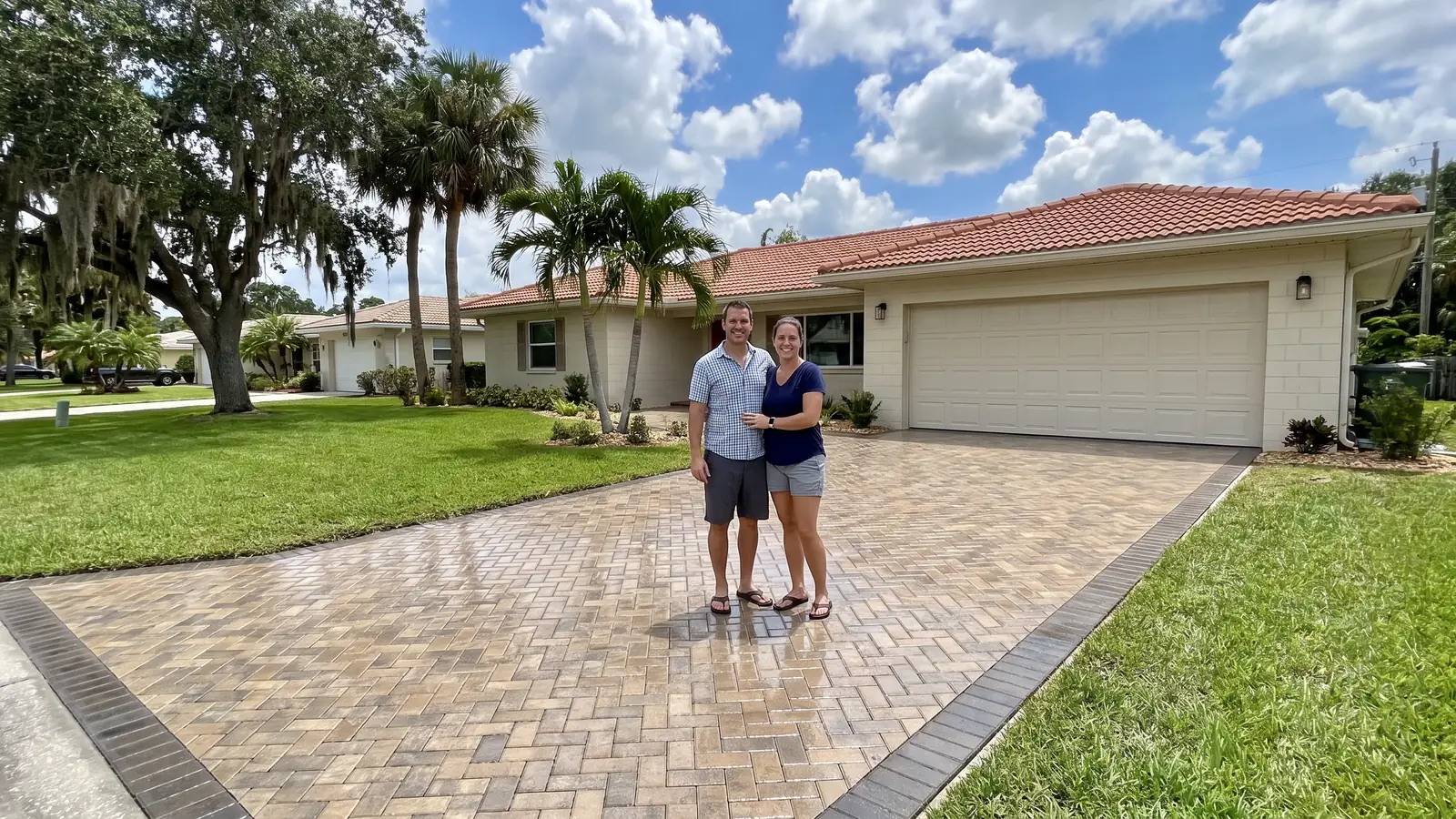
Paver sealing for Downtown Melbourne homes
Paver Sealing in Downtown Melbourne, FL
Downtown Melbourne pavers near New Haven Avenue can get a free sealing estimate when you call (321) 534-5093.
- Brings out deeper paver color
- Fresh joint sand helps lock pavers in place
- Gives weeds less room to grow
- Makes the surface easier to keep clean
- Free estimate, no obligation
Request a Free Estimate
Free, no obligation.
Fast, careful paver sealing in Downtown Melbourne
Paver sealing in Downtown Melbourne starts with a free estimate from a local contractor, who washes, re-sands and seals driveways, walkways, patios and pool decks. A call to (321) 534-5093 gets a reply inside 1 business day, usually much sooner. The visit carries no obligation.
The pavers by your back door have grayed out, and green is creeping into the joints. A wash, new sand and a fresh coat bring one even tone back. Name the surfaces that need work when you ask for a free estimate.
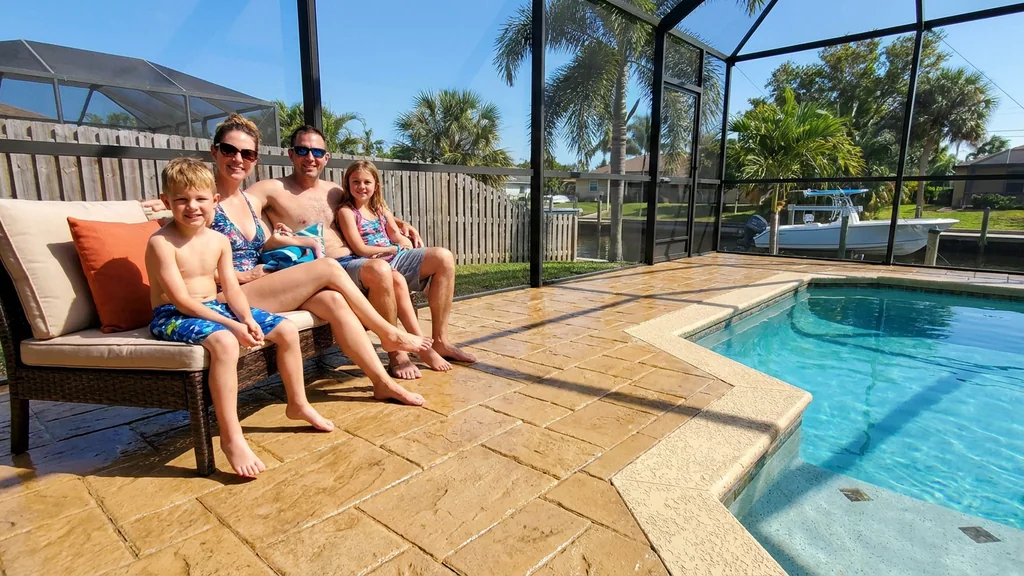
Why hire a local paver sealing contractor in Downtown Melbourne?
Downtown Melbourne sits close to the Indian River Lagoon, so damp air, salt and summer rain all reach your pavers. A local contractor plans for that before the first coat, so ask for a free estimate and ask how.
Older homes, earlier coats
A Brevard paver company puts the typical Melbourne single-family home at a 1984 build, with about 79 percent built before 2000, so a coat from an earlier owner is possible. The contractor checks at the free visit.
Damp by the river
The same company says pavers near the river and under large oaks can stay damp well into the day. Ask how a bid handles the drying wait.
Numbers you can check
Brevard County companies publish $1.85 to $4.00 per square foot to clean, sand and seal, so you can test any quote against that range.
No strings
You pick the date, the finish and whether to go ahead at all.
Get Your Free Estimate in Downtown Melbourne
Tell us about your pavers in Downtown Melbourne.
Free, no obligation
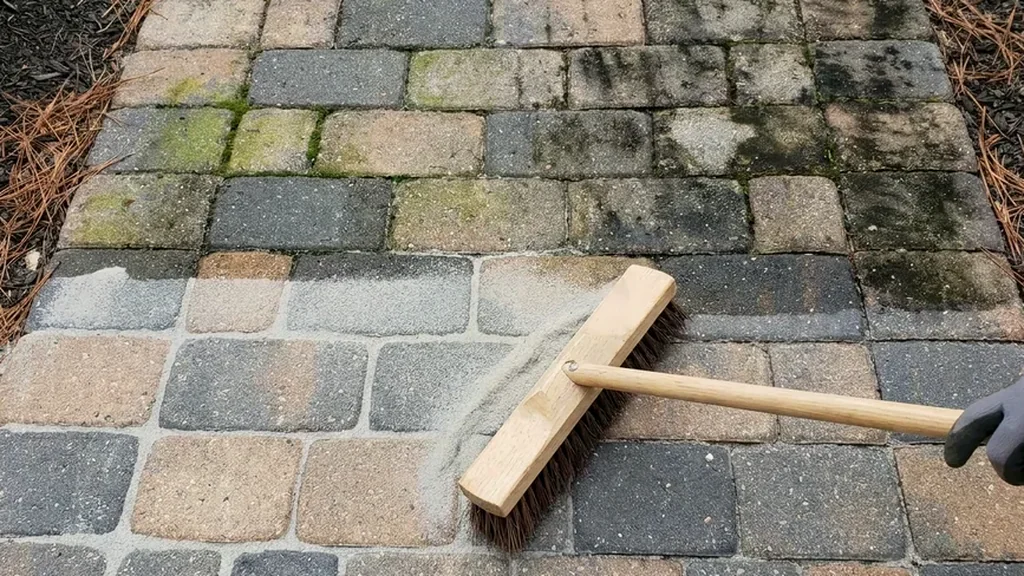
What paver problems show up most in Downtown Melbourne?
Lagoon air and strong sun on open pavers
A Brevard paver company says UV and salt air from the riverfront work on Melbourne pavers all year. Downtown Melbourne grew up on the Indian River Lagoon, and US 1 still runs beside the water. Sun fades the color, and the salt air adds wear on top. A sunny driveway can look chalky long before the joints give out. Pool decks and south-facing walkways feel it first, since they get the most hours of direct light. Walks closest to the water also collect a fine haze that rain alone will not clear.
Damp spots under old oaks
The same company notes that pavers under large oaks on older Melbourne streets can stay damp well into the day. Damp pavers grow green film first. Sealer needs a dry surface, so a shaded walkway may need a longer wait than a sunny drive. Point out any tree-covered patches in Downtown Melbourne at your first visit. Green film on stone that stays wet can also feel slick underfoot, which is worth fixing before guests arrive. Where oak roots reach under a walkway, lifted edges can also trap water, so mention any bumps you feel underfoot.
Rust marks from sprinkler water
The University of Florida says most Florida well water is high in iron, and sprinklers can paint rust on whatever they hit. Check the edge of your walkway for orange fans. The contractor treats those marks before sealing, since sealer would lock them in. Aiming the heads away from the stone helps keep new marks from forming. Rust that has set for months takes longer to treat than a fresh mark, so mention how long it has been there. Ask the contractor to show you the rust fans before and after the wash, so you can judge the result.
Joint sand that heavy rain pulls out
Melbourne averages about 51 inches of rain a year, and the wet season runs from late May through October. Florida soil is mostly sand and holds water poorly, so storm water moves fast across a driveway. Open joints widen and let weeds start. Washing also clears old sand, so the joints are refilled before sealing. Ask the contractor how much sand the joints need after the wash. Ask the contractor how much sand the joints needed once the wash is done. A hard rain just after sealing is worse than one just before it, so timing matters.
Old coats from earlier owners
Most homes in Melbourne are older. One Brevard company puts the typical single-family build year at 1984, with about 79 percent built before 2000. A past owner may have coated the stone with something unlabeled. A water-based product cannot be applied over a solvent-based one, so cloudy or peeling layers get stripped first. Receipts or photos from earlier work speed up the first visit.
Does paver sealing change between the old Front Street blocks and New Haven Avenue?
Yes, because the two areas grew in different eras and sit differently on the land. Front Street was the first commercial strip near the water, with wooden buildings, until a 1919 fire destroyed the commercial buildings there. The 1920s land boom then built a new commercial district along New Haven Avenue. Tell the contractor which side your home is on when you ask for a free estimate.
Today Front Street and New Haven Avenue hold community parks, the Melbourne Harbor Marina, waterfront housing, shops and restaurants. Pavers near the water take more sun and salt air, while pavers under older oaks stay damp longer. Mention which of those fits your lot when you call (321) 534-5093. Ask about both when you compare quotes.
Housing across Melbourne is mostly older. A Brevard paver company counts 30,009 single-family homes outside ZIP 32940, with a typical build year of 1984. An older home often has a driveway or patio that a past owner sealed, so ask the contractor to check for old sealer. To begin, ask for a free estimate and give your home's rough age.
What does paver sealing cost in Downtown Melbourne?
A Brevard County range of $1.85 to $4.00 per square foot to clean, sand and seal is the yardstick for a Downtown Melbourne quote. Where your job lands depends on washing time, how worn the joints are and whether old sealer must come off. Pool deck, driveway and walkway together add up faster than any one alone. For a number on your pavers, ask for a free estimate.
Access and cleanup matter too. A courtyard behind a narrow gate means more hand carrying than an open driveway off New Haven Avenue, and iron stains or heavy green growth add washing time. Moving planters and furniture off the pavers saves time and keeps the price steady. Call (321) 534-5093 and the contractor can tell you which of these apply before the work is priced.
| Paved area | Typical example | Clean, sand and seal |
|---|---|---|
| 300 sq ft | Small patio or walkway | $555 to $1,200 |
| 600 sq ft | Two car driveway | $1,110 to $2,400 |
| 1,000 sq ft | Large driveway or pool deck | $1,850 to $4,000 |
| 1,500 sq ft | Driveway plus pool deck | $2,775 to $6,000 |
Math based on the $1.85 to $4.00 per square foot that Space Coast paver companies publish. Your contractor sets the actual price after seeing the surface. Repairs, leveling and stripping failed sealer are usually extra.
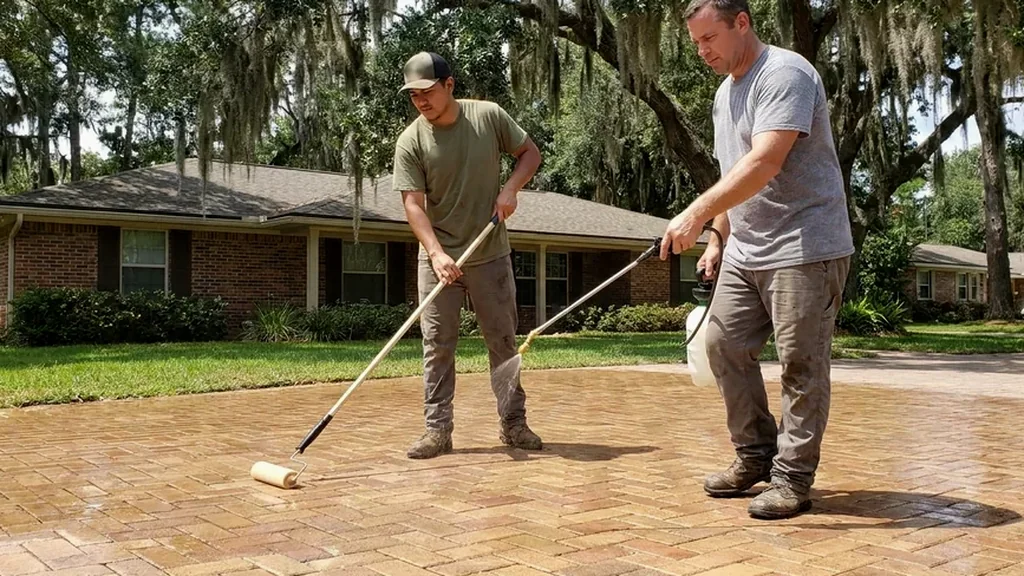
How does a paver sealing job work in Downtown Melbourne?
Read the surface
Water sits differently on every lot, so the contractor first watches where it runs on your Downtown Melbourne pavers and where shade holds it. A few drops on dry stone show the old coat. Beading means sealer remains, and soaking in means bare stone. Low or lifted spots are marked for repair, since sealer would keep the dip. Because Downtown Melbourne grew around Front Street and New Haven Avenue, older lots may hold pavers that earlier owners sealed more than once, so the test patch matters.
Wash away lagoon grime
Next comes the wash, with extra effort on green film under oaks and on the dull haze that salt air leaves. Orange sprinkler marks get a separate treatment. Rinse water stays off walls and plants. A cloudy or peeling old coat is stripped at this stage. Stone close to the lagoon often needs a second pass to clear the haze.
Refill the joints
Washing pulls the sand out, and sandy Florida ground gives weeds an easy start in open gaps. New sand goes in before the sealer. A Brevard company says polymeric sand needs a 30-day wait before sealing, so ask which kind is planned. Joints along shaded edges and downspout lines are checked first, since damp ground carries sand away quickly.
Wait for dry and cool
Melbourne's wet season runs from late May through October, and sealer needs dry stone. The same company says a paver surface above 90 degrees can cause bond failure. A careful contractor chooses a dry morning. Shady spots near oaks get extra time. On a hot day the contractor may split the job into an early start and a second visit. Dew and morning damp count as moisture, so the stone is checked by hand.
Seal in your finish
The coat goes on in the finish you chose, matte or wet look. A glossy wet look scuffs sooner. The common quote between coats is two to five years, and one Brevard company puts local homes at about every two to three. A Florida company advises 24 hours of curing before rain, foot traffic or vehicles. Ask for the product name and the date, and keep both with your house papers.
Complete paver services in Downtown Melbourne
One order runs every Downtown Melbourne job: wash, re-sand, dry, seal. The wash clears green film and the haze that salt air leaves, and fresh sand fills the joints. Edges, low spots and lifted pavers get a look before work begins. To ask how long each stage would take on your lot, call (321) 534-5093.
Street runoff and tire wear hit a driveway. A walkway under old oaks stays shady and goes green first, while pool decks catch sun and splash. Chair legs, planters and grill wheels leave scuffs on patios. Tell the contractor which of these you have when you ask for a free estimate, and the plan can fit each surface.
The old coat decides what goes on, since water-based and solvent-based sealers do not mix. Matte keeps a courtyard calm, while a wet look deepens color and scuffs sooner. Put the product name in your paperwork for the next coat. Call (321) 534-5093 to talk through which finish suits your home and how it will age.
September is Brevard's wettest month at 6.6 inches and April its driest at 1.6, so dates move with the forecast. Cool, dry mornings work best, since strong midday sun can hurt the bond. A spare day behind the planned one protects the schedule. For a date that fits your week, ask for a free estimate.
Questions to ask before you hire
- What happens to the weeds in my joints before the new sand goes in?
- Can you get the rust stains from my sprinkler water off before you seal?
- How will you protect my screen enclosure, shrubs and flower beds from overspray?
- Do you check that the pavers are dry before sealing, given how often Brevard gets afternoon storms?
- If a section of pavers has settled, will you reset it or seal right over it?
- Will the quote say which sealer goes on, and whether it forms a film or soaks in?
- Does living near the ocean or the Indian River lagoon change the sealer you pick?
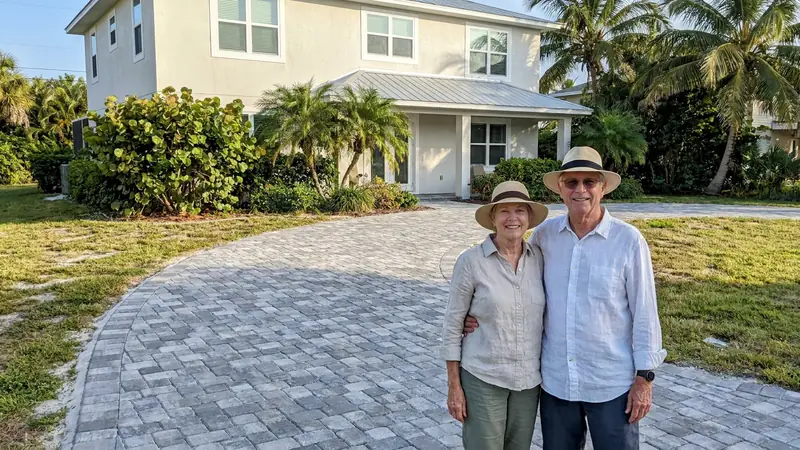
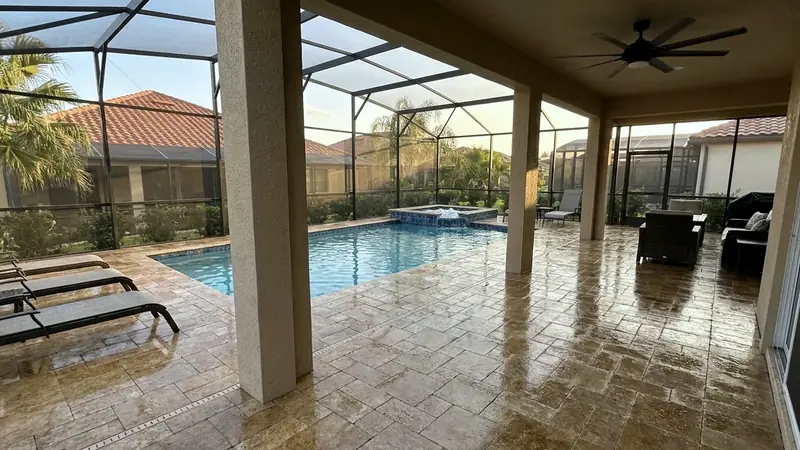
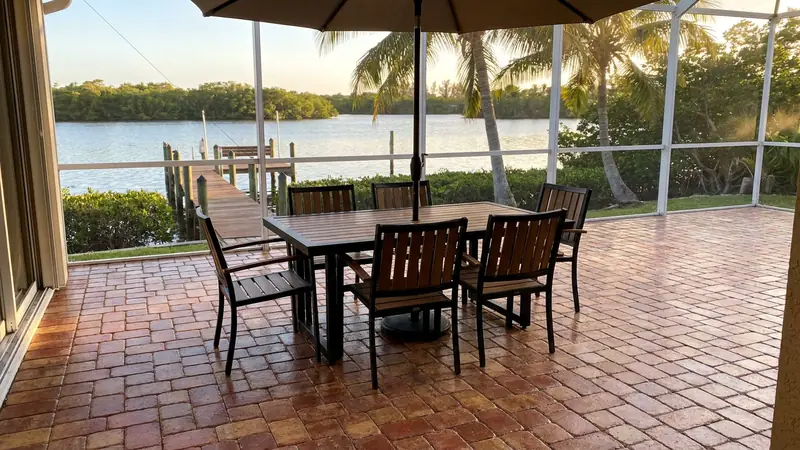
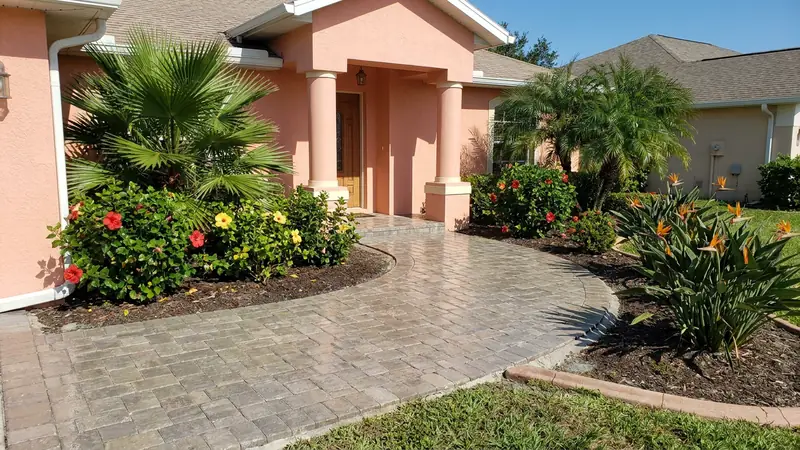
What do sealed pavers look like around Downtown Melbourne?
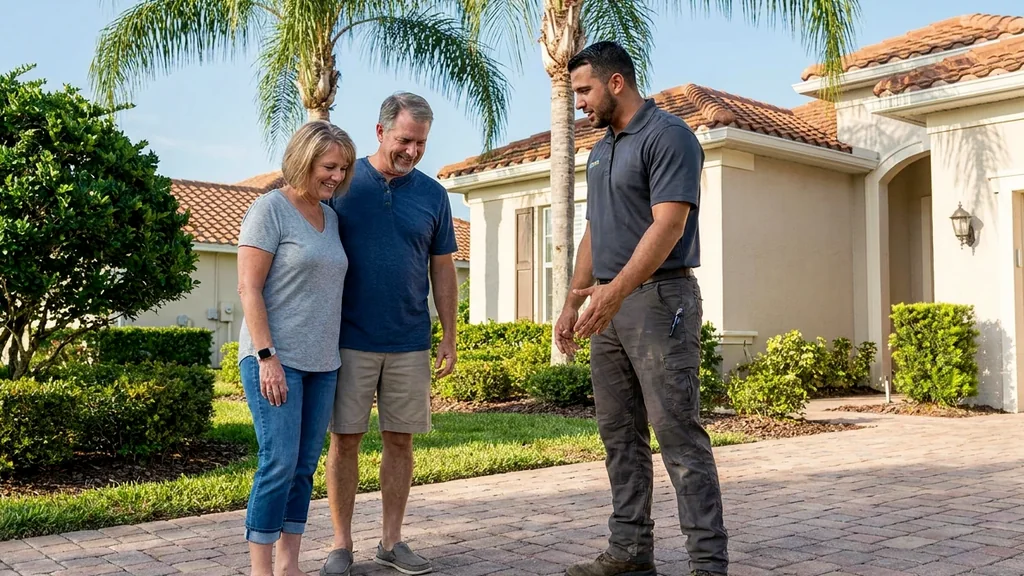
Why local matters in Downtown Melbourne
A contractor who works Downtown Melbourne knows that about 80 percent of the city drains toward the lagoon. Water, salt air and damp ground follow the same path to your pavers. For a contractor who already knows the blocks near the lagoon, call (321) 534-5093.
The wet season starts in late May, so a sealing day downtown has to fit between storms. A local contractor watches the sky and moves the date rather than sealing damp pavers. To see how a washed-out morning gets handled, ask for a free estimate.
Older streets add a layer, since many Melbourne homes were built decades ago and a past owner may have sealed the stone. A contractor who knows these streets tests for old sealer before choosing a product. If that sounds like your house, ask for a free estimate and mention when it was built, with no obligation.
What should I know about Downtown Melbourne's history before I hire someone?
Know that this district began on the water, because farmers shipped produce from a port at Crane Creek on the lagoon. The town took its name from Melbourne, Australia, through first postmaster Cornthwaite John Hector, who ran a general store there. Front Street's wooden buildings burned in 1919, and the 1920s land boom moved the center to New Haven Avenue, so one quote rarely fits every lot. If you live near that older core, ask for a free estimate.
Today the Henegar Center on East New Haven Avenue stages plays and musicals, and Hell n Blazes Brewing fills a 120-year-old former hardware and farm supply store. Murals cover walls along Main Street, and Melbourne was incorporated as a village on December 22, 1888, and the Kouwen-Hoven Causeway links the district to the barrier island. Near any of these Downtown Melbourne landmarks, call (321) 534-5093 and name your street. Each of these spots is a good reference when you describe where you live.
Frequently Asked Questions
What is the average cost to seal pavers in Downtown Melbourne?
Brevard County companies commonly publish $1.85 to $4.00 per square foot for the full clean, sand and seal. Where a Downtown Melbourne job lands depends on washing, joint sand and old sealer. The total area in the quote lets you check the math. On older lots near Front Street and New Haven Avenue, extra washing and a stripped coat can push a quote toward the upper end.
How much does professional paver sealing cost around Downtown Melbourne?
Expect $1.85 to $4.00 per square foot, based on the Brevard County range companies commonly publish. A modest courtyard totals less than a driveway and pool deck combined. The free estimate gives you a figure for your pavers. A corner home with a wide drive and a side walk simply has more stone to wash and seal.
What are the downsides of sealing pavers in Downtown Melbourne?
The main downsides are upkeep and timing. Sealer wears down and has to be renewed every few years, and gloss shows scuffs faster than matte. It also needs a dry surface, which can push a date back during the wet season. None of these is a reason to skip it, only a reason to plan the date. A sealer can also look glossier than you expect, which is why a test patch helps.
Why is paver sealing so expensive in Downtown Melbourne?
Most of the price is the work before the sealer: washing, re-sanding, drying and careful application. A cloudy old coat or iron stains add steps. That is why the same area can quote higher or lower from one lot to the next. Groundworks adds that a failed coat needs chemical dwell time, vegetation protection and re-sanding before resealing.
How often should I reseal pavers in Downtown Melbourne?
Between coats, two to five years is the usual quote. One Brevard company puts local homes at about every two to three years, sooner in shade. A simple check is to sprinkle water on dry pavers, since beading means the coat is working. Shaded walkways near oaks are the first to show wear. Waterfront blocks and shady side yards usually show wear first.
Can faded pavers in Downtown Melbourne look new again?
Often yes, because a wash removes dirt and fresh sealer deepens the color. Sun and salt air fade pavers, and sealing slows that. Deep stains or sunken stones may need separate repair before the coat goes on. A free estimate shows what is realistic for your stone. Fading shows first on south-facing walks and open drives.
How long should I wait before walking on sealed pavers?
One Florida paver company recommends 24 hours of curing before rain, foot traffic or vehicles. Another Brevard company says walking is fine in 24 hours and cars need 48 to 72. Ask the contractor which sealer is going down, since products differ. Rain on a fresh coat is the main risk, so a dry forecast matters.
Does sealing help keep weeds out of paver joints in Downtown Melbourne?
It helps, because sealer and locked joint sand leave weeds less room to start. One Florida company counts fewer weeds among the payoffs of sealing. It cannot stop seeds that land in open, sandless joints, so fresh sand comes first. Sealing is not a weed cure, so any weeds already in the joints are removed during the wash.
Which finish suits a Downtown Melbourne patio, matte or wet look?
Matte suits most shady courtyards because it hides scuffs and keeps a calm look. A wet look deepens the color and shows scuffs sooner. Ask for a small test patch if you are unsure, then decide. A test patch in an out-of-the-way corner shows both finishes side by side. Shady courtyards hide scuffs better than open drives.
Will sealed pool deck pavers be slippery in Downtown Melbourne?
Not if the product is chosen with traction in mind. A Florida paver company says oil-based sealers form a glossy layer that can make pavers slippery, while water-based sealers avoid making them too slick. Ask the contractor about a non-slip finish for any pool deck.
Do pavers near the lagoon in Downtown Melbourne need sealing more often?
They may. A Brevard company says UV and salt air from the riverfront affect Melbourne pavers all year, and pavers near the river or under oaks stay damp longer. Check the coat every year or so with a few drops of water. A yearly look in spring, before the wet season, catches wear early.
Is there a good season to seal pavers in Downtown Melbourne?
Spring is usually easiest, since Brevard's driest month is April at 1.6 inches and the wet season runs late May through October. Any dry, cool morning can work. Pick a date with a spare day behind it in case a storm moves through. Late May starts the wet season, so a spring job leaves room for a rain delay.
Ready for a Free Estimate in Downtown Melbourne?
Call (321) 534-5093 and tell us about your pavers.
Free, no obligation